
The Economic Community of West African States (ECOWAS) is currently intensifying efforts towards developing its first regional Earth observation satellite, ECOSAT-1, as part of its drive to strengthen data sovereignty and expand the application of space science and technology across the sub-region.
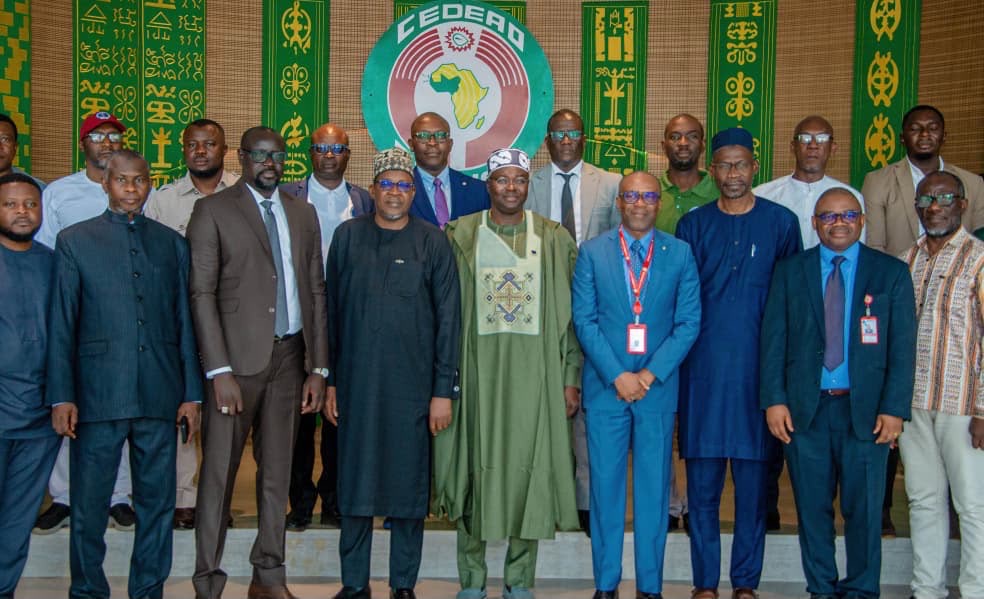
The initiative took a significant step forward with the commencement of a three-day Technical Experts’ Meeting in Abuja, where specialists from member states and relevant institutions are reviewing and validating the report on the proposed satellite’s overall architecture and technical specifications ahead of its submission for political adoption by ministers responsible for science, technology and innovation.
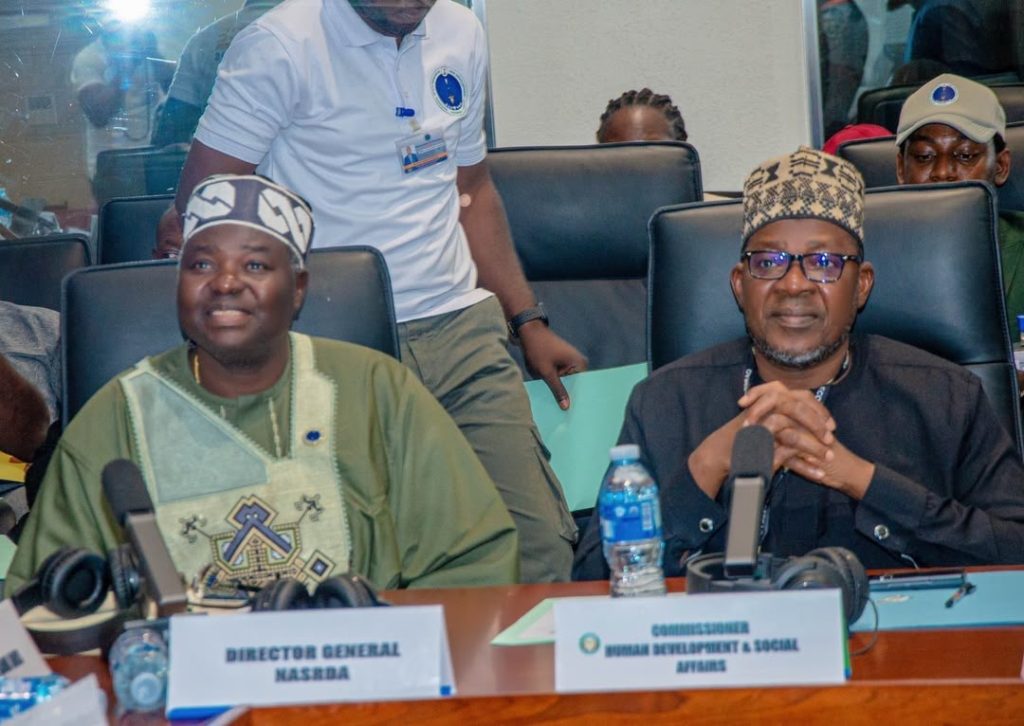
In his address at the opening ceremony, the ECOWAS Commissioner for Human Development and Social Affairs, Prof. Nassirou Bako Arifari, described data sovereignty as central to the future of the West African region, stressing the need to move the sub-region away from its dependence on external sources of data.
He said the meeting marked a significant step towards realising the region’s vision of technological sovereignty, noting that the ECOSAT-1 programme stemmed from recommendations made at the third meeting of ECOWAS ministers responsible for science, technology and innovation, held December 8, 2018.
Prof. Arifari added that the initiative aligns with the ECOWAS Vision 2050 and seeks to equip the region with an Earth observation satellite capable of providing reliable and sovereign geospatial data to address critical developmental challenges across member states.
According to him, the satellite is expected to support epidemiological surveillance, improve access to healthcare and education, particularly in rural and isolated communities, promote sustainable management of natural resources, strengthen disaster monitoring, support intelligent agriculture and food security, as well as enhance conflict monitoring and early warning mechanisms for regional peace and stability.
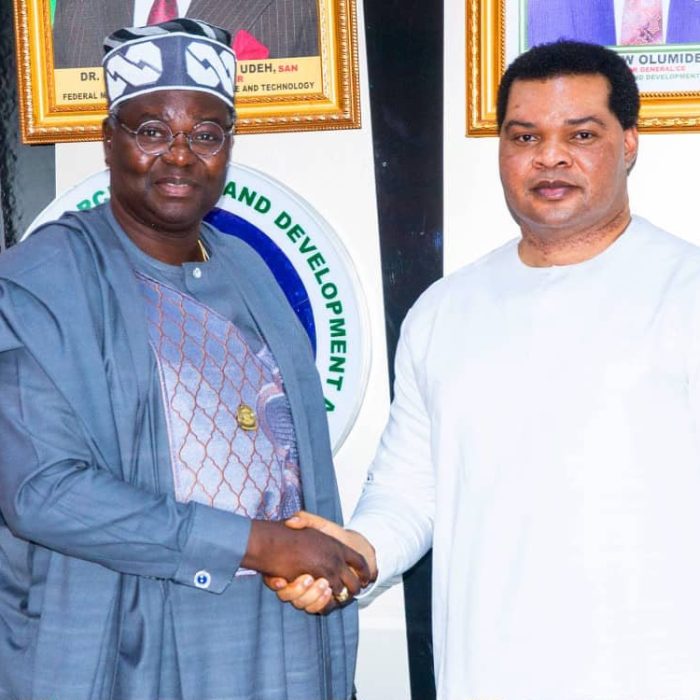
The Commissioner further highlighted the collaboration between ECOWAS and the National Space Research and Development Agency (NASRDA), explaining that the Agency conducted an initial evaluation study in 2023 to identify the satellite data needs of member states.
The findings and recommendations from the study subsequently informed the second phase of the collaboration, which focuses on defining the overall architecture and technical specifications of ECOSAT-1.
He commended the Director General of NASRDA, Professor Matthew Adepoju, his predecessors and the Agency’s technical team for the quality of their contributions to the project, while charging experts to critically examine the proposed satellite architecture, make necessary technical adjustments and ensure that the specifications adequately address the operational needs of all ECOWAS member states.
The Commissioner further explained that the outcome of the three-day meeting would be consolidated into a technically validated document for submission to the relevant ministers for political adoption, describing the process as a critical step towards advancing the implementation of the ECOSAT-1 programme.
In his opening remarks, the Director General and Chief Executive of NASRDA, Professor Matthew Adepoju, highlighted the environmental and developmental challenges confronting West Africa, including flooding, drought, coastal erosion, deforestation, land degradation and threats to marine resources, stressing the importance of space technology in providing timely information for effective monitoring and response.
He observed that member states currently depend largely on freely available medium-resolution satellite imagery from foreign missions, while high-resolution imagery is often obtained from foreign commercial operators at considerably high costs.
The NASRDA boss further said that such dependence limits the region’s control over when and how its territories are imaged, making access to relevant satellite information particularly difficult during emergencies.
Professor Adepoju explained that ECOSAT-1 was designed to address these limitations by providing the 12 ECOWAS member states with greater sovereignty over satellite data, timely access to high-resolution imagery and the opportunity to establish their own data access and usage policies.
He disclosed that the proposed satellite, designed for a seven-year operational lifespan, would carry two complementary imaging instruments to provide detailed and wide-area observation of the Earth’s surface.
According to him, the high-resolution imaging instrument would capture detailed features such as individual buildings, roads and other smaller geographical features, while the wide-swath multispectral imager would provide broader coverage of river basins, agricultural belts and coastlines, enabling the monitoring of environmental and land-use changes across the region.
The Director General explained that these capabilities would provide useful information for addressing critical questions relating to disaster response, agriculture and food security, including identifying communities, roads and bridges affected by flooding, assessing damage to houses, schools and health facilities, and determining accessible routes for emergency relief operations.
Professor Adepoju also invited the ECOWAS representatives and other participants to the forthcoming Africa Space Economy Innovation & Communication Conference (ASEICC) and disclosed that the President of Nigeria would unveil models of the proposed four new satellites for the country, including its first Synthetic Aperture Radar (SAR) satellite.
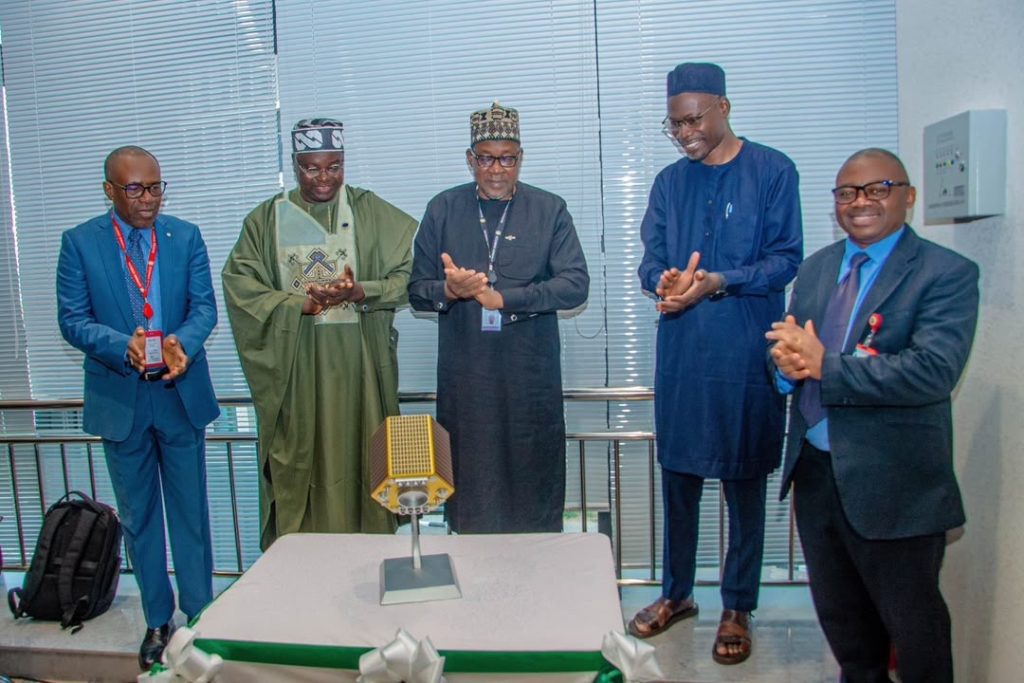
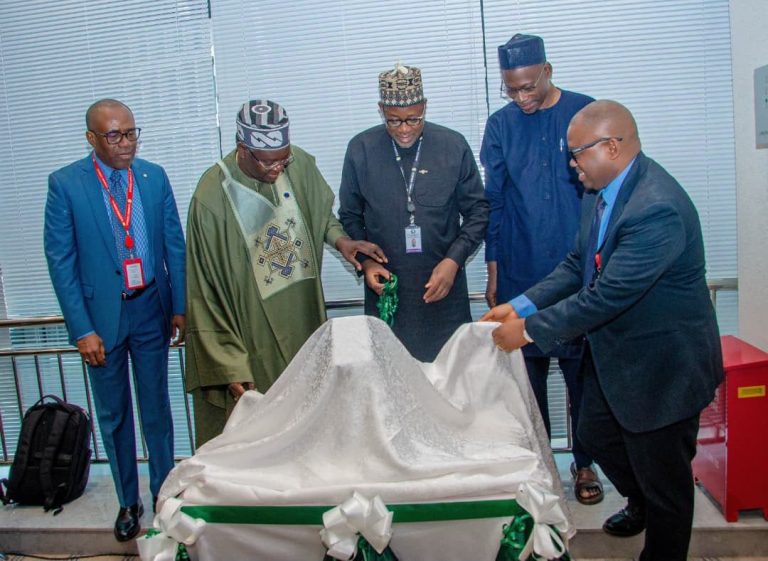
As part of the activities marking the meeting, the Agency unveiled a physical 3D-printed model of the proposed ECOSAT-1 satellite which provided participants an opportunity to examine the proposed satellite architecture and gain a practical understanding of the technical design being presented for expert review and validation.
While explaining the features of the model, the Director of the Strategic Space Applications Department of NASRDA and Team Lead of the technical team, Dr. Godstime James, provided insights into the spacecraft’s major components, including its imaging instruments, power systems, communication units, solar arrays and antenna.
Below are pictures from the event:
Reporter: Oluwaseun Ajayi
Editor: Joy Atama-Opaluwa
Photo credit: Ibrahim Zakari
Media and Corporate Communications