
The President of the Brazilian Space Agency, Dr. Marco Antonio, has called for a shift from agreements and declarations to concrete actions and measurable outcomes in the partnership between Brazil and Africa to advance space science and technology development.
Dr. Antonio made the call while delivering a keynote address titled *”Space Economy: Africa as a High-Growth Frontier Market,”* in which he described space science and technology as fundamental, though often overlooked pillars of modern society.
He explained that everyday activities, including mobile phone usage, transportation and food ordering, increasingly rely on space-based technologies, highlighting the growing importance of space applications to contemporary life.
Reflecting on the historical ties, shared values and developmental challenges between Brazil and Africa, Dr. Antonio reaffirmed Brazil’s commitment to strengthening its partnership with the continent in advancing space development.
He further observed that value creation in the global space economy was increasingly shifting from the development of rockets and satellites to the application of space data and services in addressing societal challenges.
According to him, the emerging phase of the space economy has transformed the operations and business models of space agencies, with greater emphasis on innovation, smaller-scale operations and diversified sources of capital.
Dr. Antonio disclosed that the global space economy was valued at over $600 billion in 2025, noting that a significant proportion of this value was generated through applications developed by space companies.
The President Of Brazilian Space Agency, further highlighted the opportunities presented by the expanding space economy for countries such as Nigeria, particularly in economic diversification, national security, agricultural productivity, telecommunications, disaster management and environmental protection through space-based data and applications.
He also identified job creation, technological innovation, private-sector investment and local capacity development as important benefits that African countries could harness through strategic participation in the global space economy.
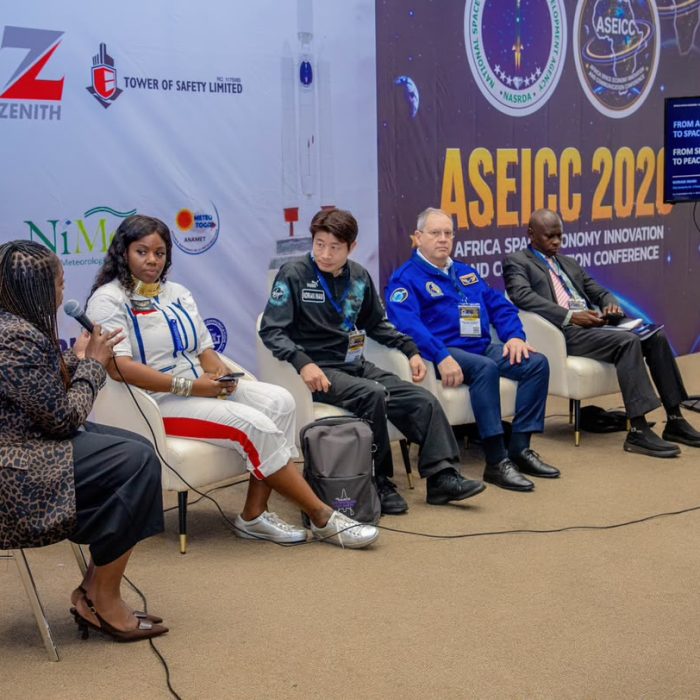
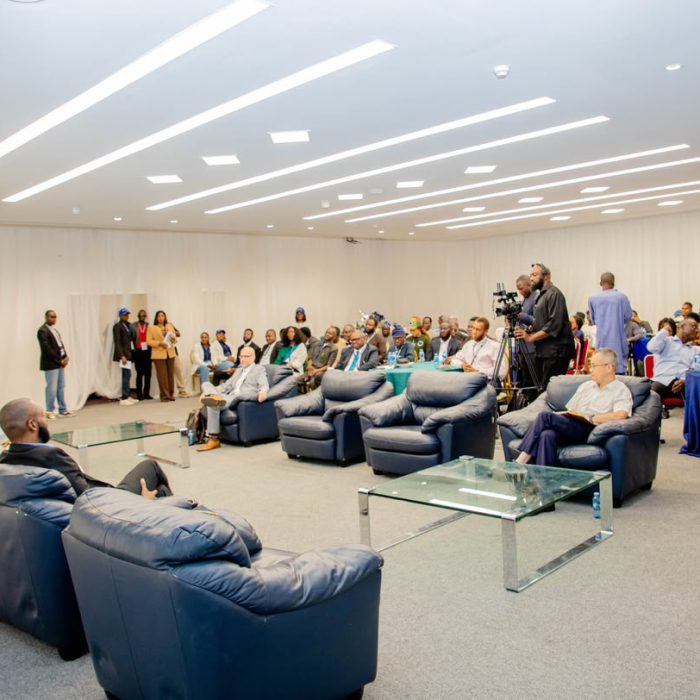
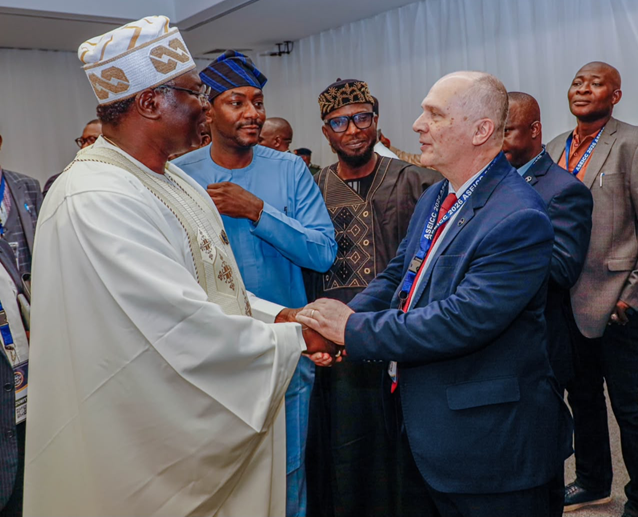
*Below are pictures from the event*
Reporter: Grace Jacob
Editor: Joy Atama-Opaluwa
Photo Credit: Ibrahim Zakari
Media and Corporate Communications