

Heads of African space agencies and international space industry leaders have agreed on stronger continental collaboration, increased private-sector participation and sustained engagement to accelerate the development of Africa’s space economy and strengthen the continent’s position in the global space industry.
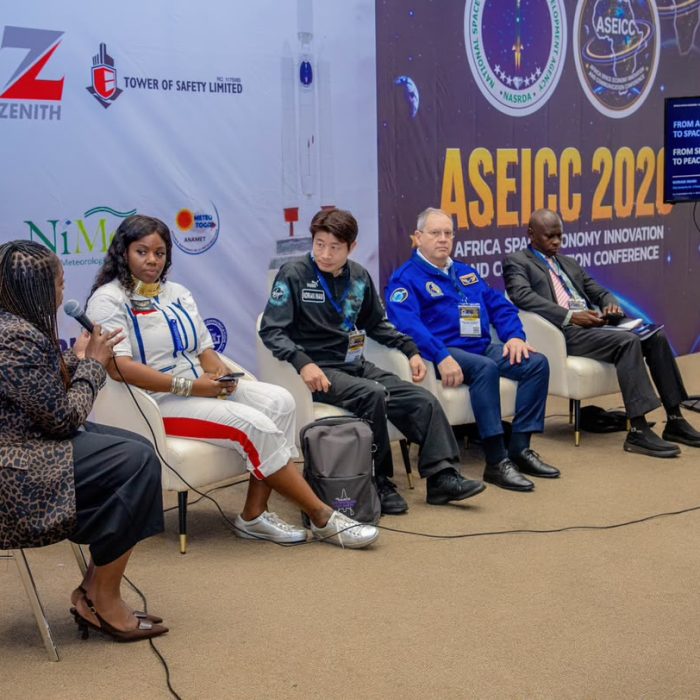
The agreement was reached at the ongoing Africa Space Economy, Innovation and Communication Conference (ASEICC 2026), during a parallel breakout session tagged “Global Leadership, Strategic Partnerships and the Future of the Space Economy.”
The session focused on developing a framework to guide national space policies, strengthen the Pan-African Space Programme and maximise the economic benefits of investments in space science and technology.
It was chaired by the Director-General and Chief Executive of the National Space Research and Development Agency (NASRDA), Prof. Matthew Adepoju, with the Director-General of the South African National Space Agency (SANSA), Mr. Humbulani Mudau, serving as Co-Chair, while Barrister Marlene Losier the Principal Expert on International Law at Losier and Gonzalez, PLLC served as the anchor.
Setting the context for the discussions, Prof. Adepoju explained that the objective was to develop a framework to help African countries maximise returns on their investments in the space sector.
He stated that space science and technology serves as an enabler of other sectors, including agriculture, defence, security and communications, while contributing to broader national development.
The Director-General stressed that beyond its enabling role, the sector also holds significant commercial potential for job creation, business development and economic growth.
He identified satellite communications, Global Navigation Satellite Systems (GNSS), meteorological services, fishing and other space-enabled applications as areas with significant business opportunities.
Prof. Adepoju disclosed that NASRDA had established a Department of Space Enterprise to coordinate about 12 companies and business ventures.
He also revealed plans to engage the National Assembly on a review of the Agency’s 2010 Act to mainstream commercialisation into Nigeria’s space development framework.
Prof. Adepoju further called for increased investment in indigenous start-ups, young people, women and research institutions.
Contributing to the discussion, the Director-General of Senegal’s space agency, Mr. Maram Kaire, advocated joint programmes and strategic specialisation among African countries.
He proposed that nations develop expertise in specific areas and contribute their capabilities to continental projects and disclosed that Senegal was developing its first astronomical observatory and preparing to establish an Assembly, Integration and Testing (AIT) facility for nanosatellite development.
Mr. Kaire identified electronics, telecommunications and software development as areas where countries could build complementary strengths, pool resources and establish competitive African space enterprises.
The Director-General of the Kenya Space Agency, Maj. Gen. Hillary B. Kipkosgey, EBS, aligned with the call for continental collaboration, emphasising the need for countries to identify their respective strengths while protecting their national interests.
He also highlighted the importance of African participation in international space governance, particularly negotiations on orbital slots, frequency allocations and regulatory frameworks. He noted that investments in satellites and ground infrastructure could be undermined without access to these essential resources.
The Rwandan delegation, led by its Director-General, Mr. Gaspard Twagirayezu, identified government patronage as a critical driver of commercialisation, urging public institutions to serve as anchor customers for indigenous space companies by adopting locally developed space applications and services.
The delegation also called for policies that attract private investment, identified Earth Observation as a promising area for agriculture, disaster management, defence and security, and stressed the need to move beyond hackathons to sustained mentorship, technical support and funding for emerging businesses.
Participants further emphasised the importance of private-sector partnerships in commercialising space products and services, noting that collaboration with investors and industry players would be critical to translating research and technological innovations into sustainable business opportunities.
They highlighted the need to generate revenue from commercial space activities and reinvest the proceeds in further satellite development and deployment, including through strategic partnerships beyond the continent, to strengthen Africa’s capacity to expand its presence in the global space industry.
On international space governance, participants stressed the need for African countries to actively participate in negotiations and the development of space laws and policies, particularly as technological advancements continue to reshape the global space landscape.
They maintained that Africa must protect its interests through a unified negotiating position and mutually beneficial partnerships.
The session also featured goodwill contributions from Dr. Dris Haddani, Deputy Director of the United Nations Office for Outer Space Affairs (UNOOSA); Mr. Matthew Verghis, Division Director at the World Bank; Dr. Marco Antonio Chamon, President of the Brazilian Space Agency; and Dr. Zolana Rui João, Director-General of GGPEN, Angola, who participated virtually.
Furthermore, participants agreed to institutionalise ASEICC as a biennial conference, with Kigali, Rwanda, scheduled to host the next edition in 2028, followed by South Africa in 2030.
For Nigeria, the outcomes present opportunities to strengthen its indigenous space industry, attract private investment, support local start-ups, create employment and expand the application of satellite technology in agriculture, national security, disaster management, communications and infrastructure development.
The discussions reinforced a common position that Africa’s success in the global space economy will depend on its ability to commercialise innovation, build indigenous industries, attract private capital, influence international policies and sustain collective action towards shared continental development goals.
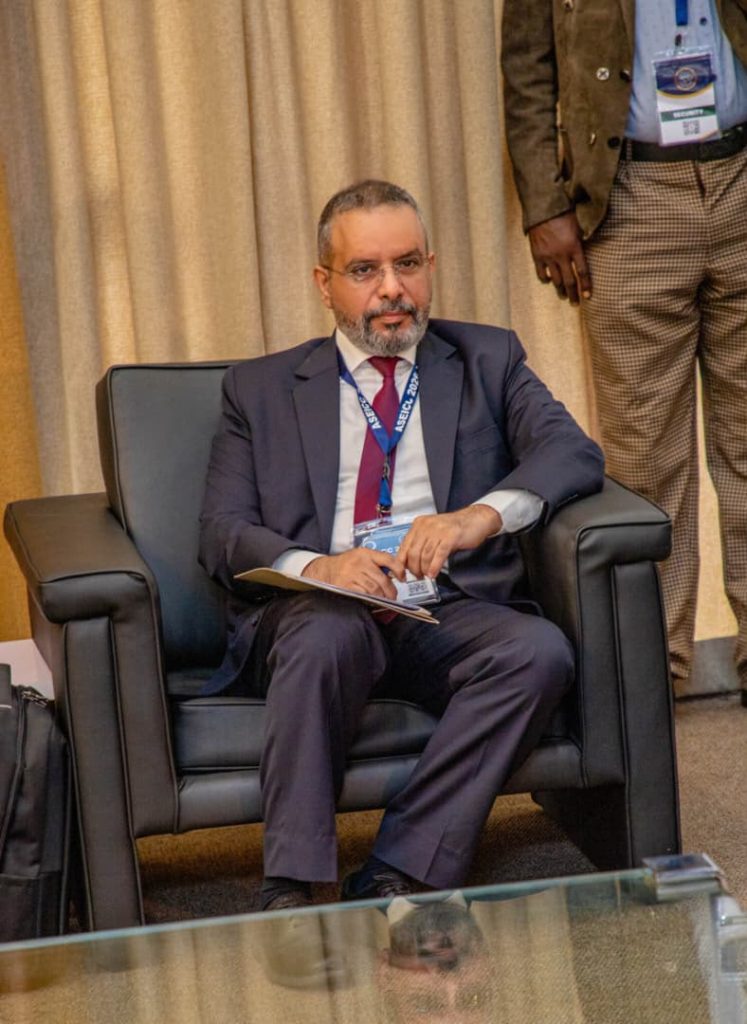
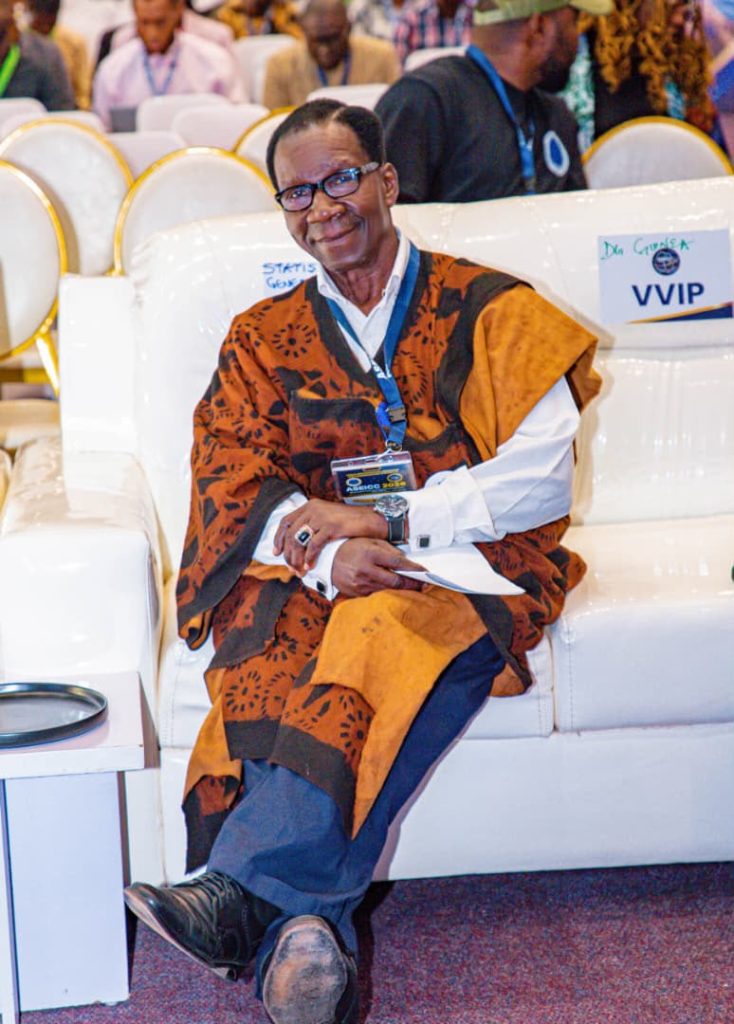
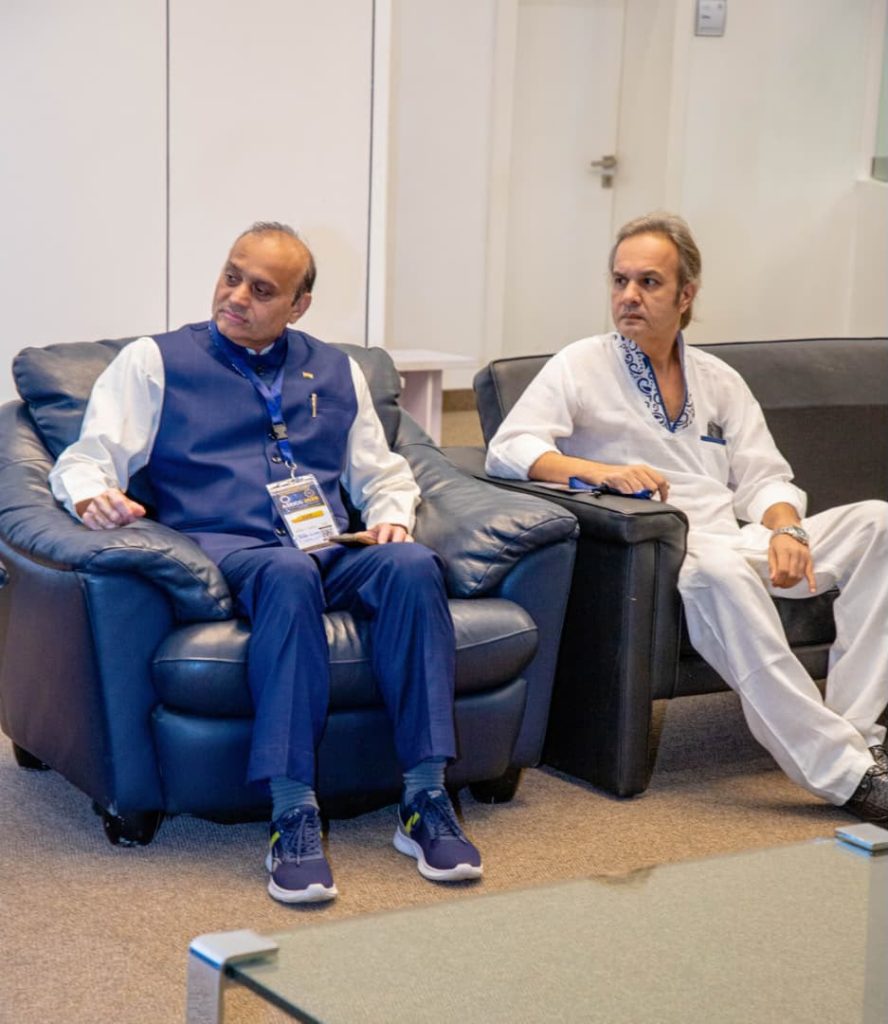
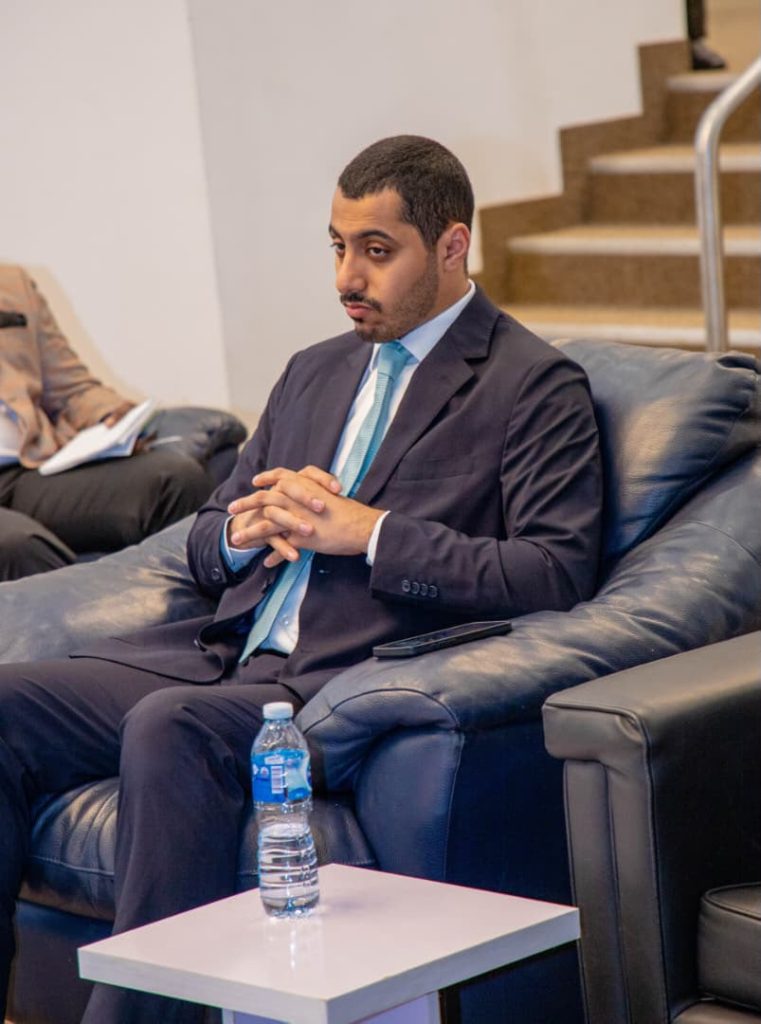
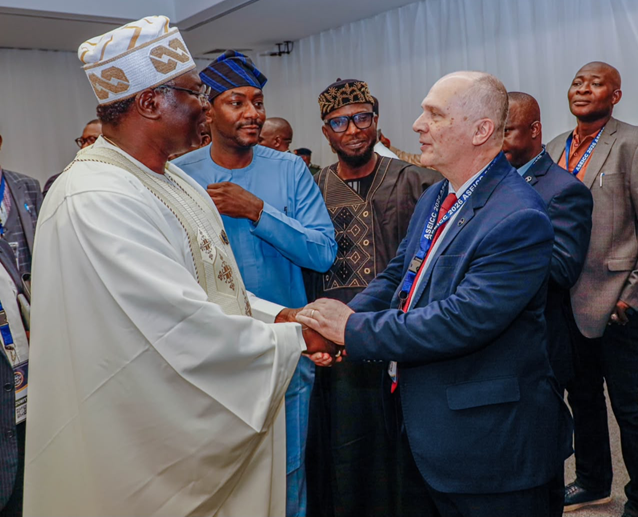
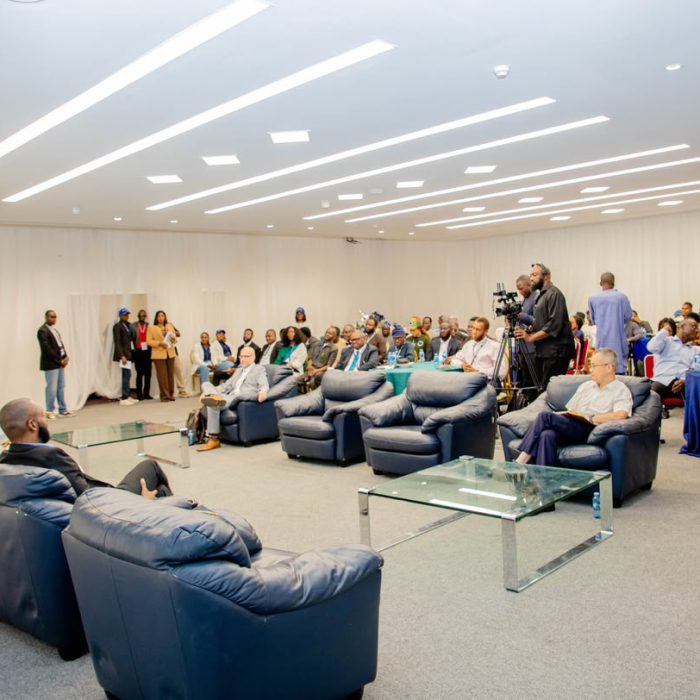
Below are pictures from the event.
Reporter: Grace Jacob
Editor: Joy Atama-Opaluwa
Photo Credit: Ibrahim Zakari
Media and Corporate Communications.