
As Nigeria sets its sights on the frontiers of human spaceflight, leading astronauts and space experts from across the globe have identified strategic partnerships, specialised training, institutional commitment and clearly defined national objectives as critical pathways to turning the country’s space ambitions into reality.
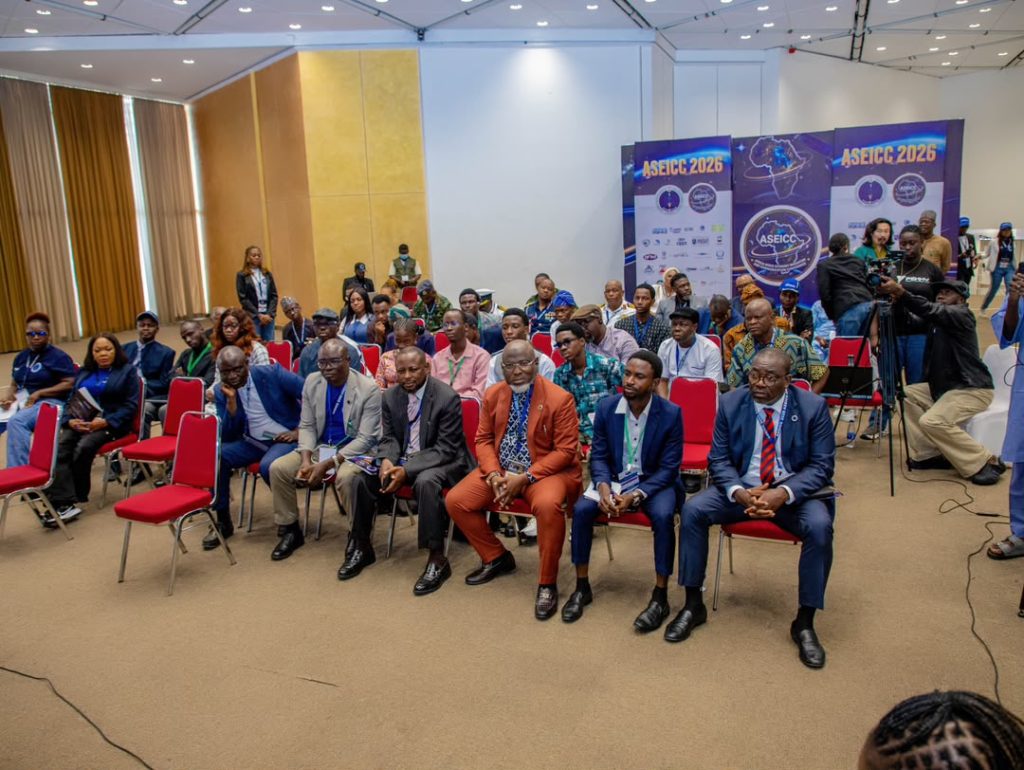
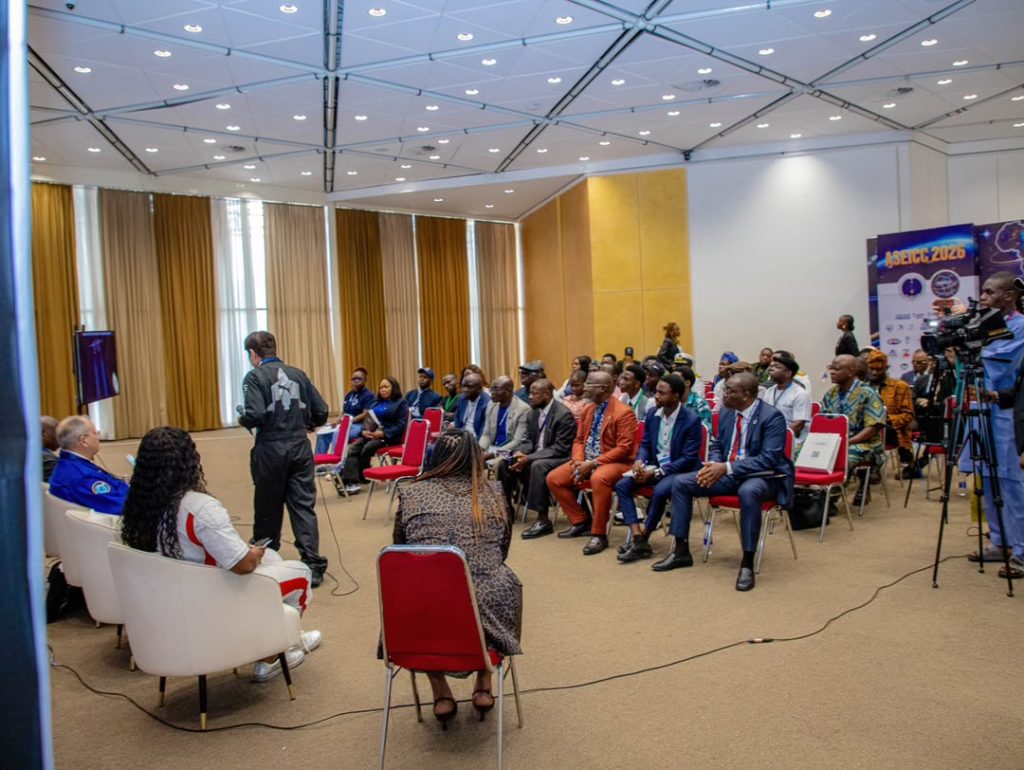
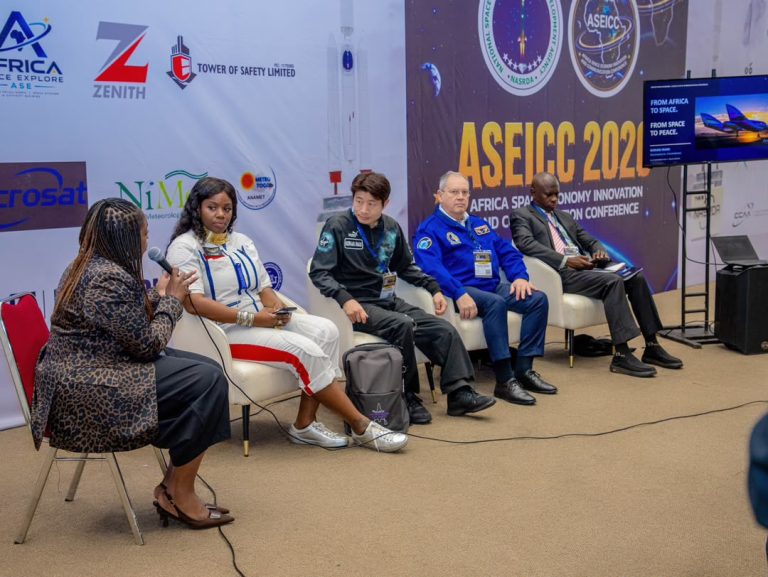
A breakout session from the on going ASEICC 2026 themed “From Africa to Space, and from Space to Peace” brought together experienced astronauts and space experts to share their experiences, challenges and perspectives on human spaceflight.
The session explored the opportunities available to Nigeria in space exploration, the importance of international collaboration and the role of space technology in promoting global peace and sustainable development.
Speaking on behalf of the Director-General of the National Space Research and Development Agency (NASRDA), Prof. Matthew Adepoju, the Agency’s spokesperson and Chairman of the Organising Committee of ASEICC 2026, Dr. Felix Ale, said space technology remains one of the fastest routes to national development.
He affirmed NASRDA’s commitment to advancing Nigeria’s space ambitions and taking a leading role in leveraging space technology for national progress.
Three astronauts from different countries shared their experiences and insights into the journey to space, highlighting the importance of passion, adequate preparation, specialised training and international cooperation in achieving successful human spaceflight missions.
Romanian astronaut, Dumitru-Dorin Prunariu spoke extensively on spaceflight, explaining the processes involved in preparing for and travelling into space.
He highlighted the importance of proper selection, training, preparation and access to the necessary resources before embarking on a space mission.
Prunariu explained that the opportunity to travel into space requires significant investment, technical expertise and institutional support.
He stated that the ability to select, train, prepare and launch astronauts into space is currently demonstrated by the United States, Russia and China, countries with established human spaceflight capabilities.
He also discussed the overview effect, a phenomenon experienced by astronauts when viewing Earth from space.
According to him, seeing the planet from above provides a unique understanding of Earth’s interconnectedness, revealing the unity of its landforms, forests and other natural features, as well as the relationships between Earth and other celestial bodies.
The Romanian astronaut emphasised that observing Earth from space goes beyond appreciating its physical beauty.
He explained that the experience offers a broader perspective on global challenges, environmental sustainability and humanity’s shared responsibility for protecting the planet.
Prunariu expressed optimism about Nigeria’s prospects in human spaceflight, commending the country’s strong presentation during the session.
He said that Nigeria was showing promising signs of readiness to develop its own astronauts, provided the country sustains its commitment to the necessary training, preparation and institutional development.
Another speaker, Dr. Lisa Alcendor, shared her personal experience of pursuing space training, explaining how her passion and sense of purpose motivated her to take steps towards achieving her ambition.
She highlighted the importance of determination, support systems and advocacy in creating opportunities for aspiring astronauts, particularly women.
Dr. Alcendor also spoke about her advocacy efforts in the United States to promote opportunities for female astronauts.
She stressed that space exploration is fundamentally driven by research and mission objectives, noting that every space mission has distinct goals, requirements and scientific priorities.
Dr. Alcendor advised Nigeria to define its own objectives in space exploration rather than simply seeking to replicate the programmes of other countries. According to her, the country should develop a clear mission that reflects its national priorities, research needs and long-term development goals.
She further explained that Nigeria does not need to develop every component of its human spaceflight programme independently.
She encouraged the country to build strategic partnerships with experienced spacefaring nations and leverage their expertise, facilities and technical support to accelerate progress.
Japanese astronaut, Noriaki Inami spoke on future pathways for aspiring astronauts, highlighting the importance of structured training programmes and access to specialised facilities.
He explained that Japan has several facilities dedicated to astronaut training, demonstrating the level of infrastructure and preparation required to support human spaceflight.
The Director of the Centre for Space Technology Development, Engr. Dr. Sadiq Umar, emphasised the importance of zero-gravity training before embarking on a space mission.
He explained that astronauts must learn practical skills for functioning in a weightless environment, including eating, communicating and carrying out routine activities while floating in space.
Dr. Sadiq further stressed that outer space should be used for peaceful purposes, scientific advancement and human exploration rather than warfare.
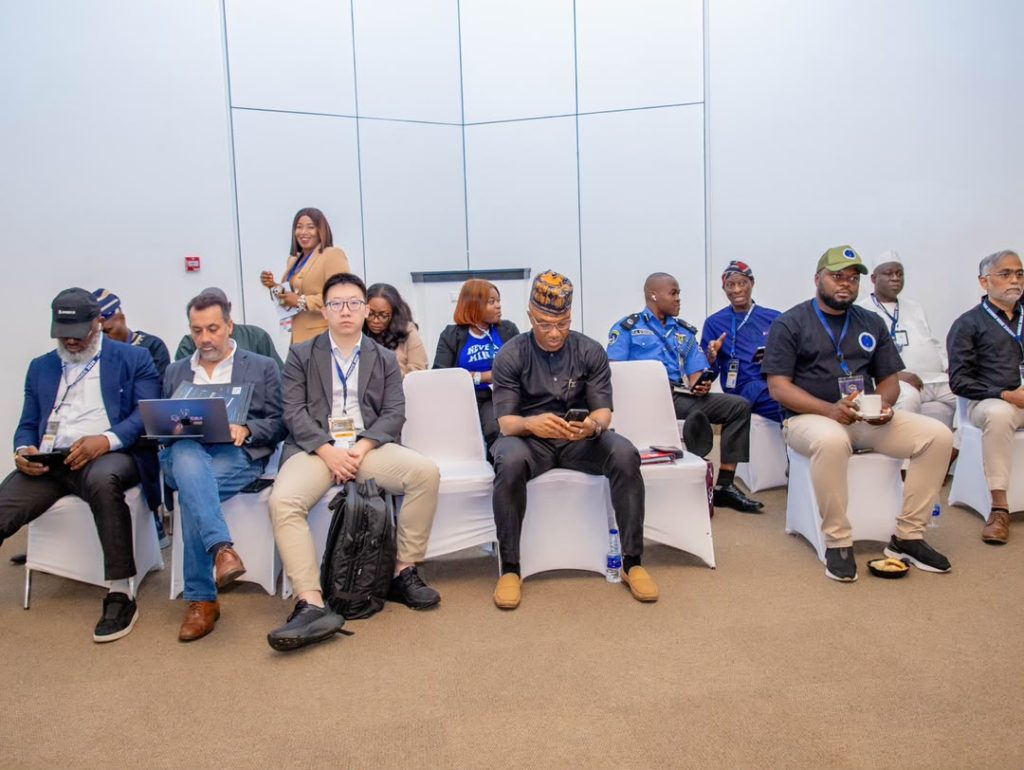
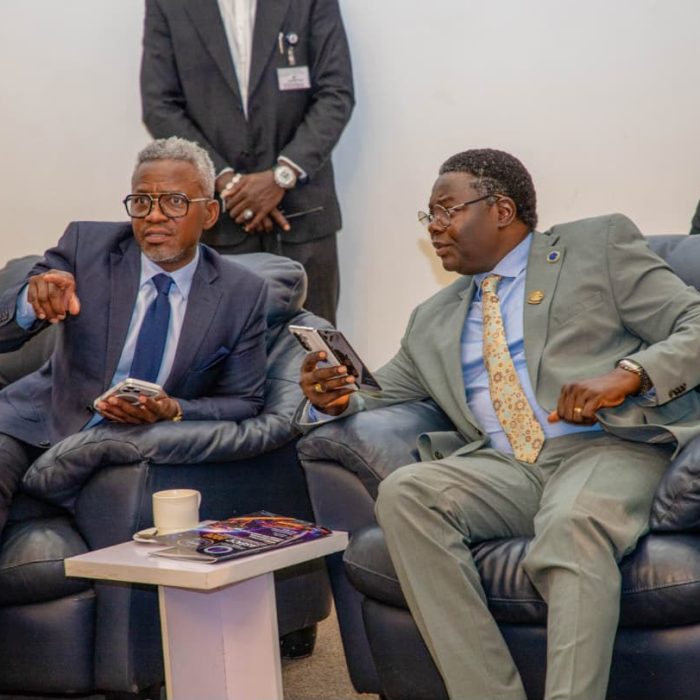
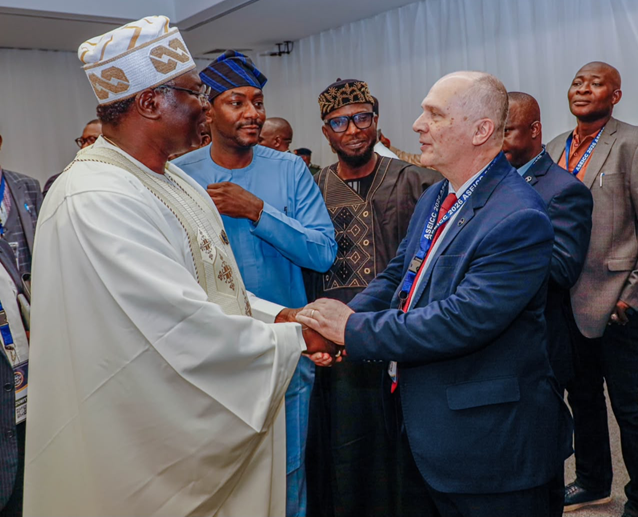
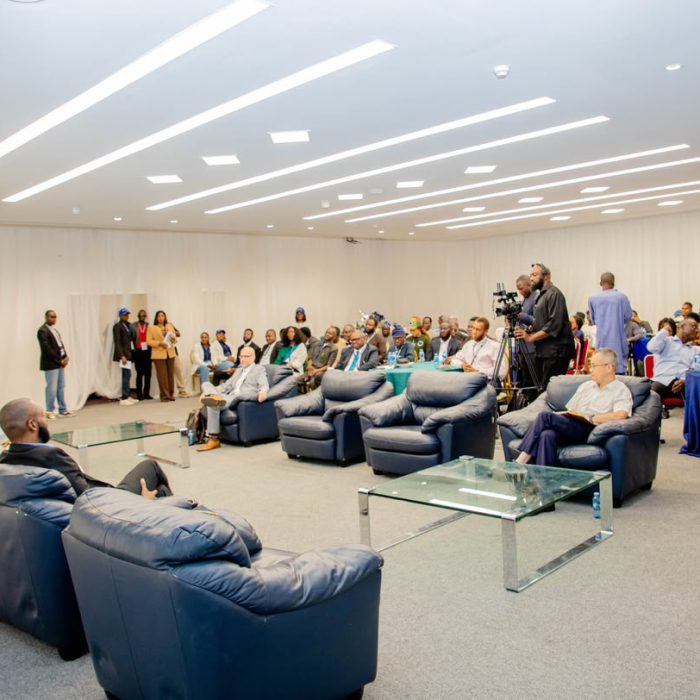
Below are pictures from the session for your viewing pleasure.
Reporter: Chado Joel
Editor: Ninma Yacim
Picture credit: Ibrahim Zakari
Media and Corporate Communications