

The ongoing ASEICC 2026 has highlighted strategic international partnerships, technology transfer and innovation-driven collaboration as critical avenues to accelerating Africa’s indigenous satellite manufacturing, strengthening space engineering capabilities and expanding the continent’s participation in the global space industry.
A breakout session themed “Opportunities for Exchange Programmes and Innovation” brought together experts who sparked discussions on how African countries could leverage international partnerships, knowledge exchange and local innovation to build sustainable space technology capabilities and reduce dependence on foreign technologies.
Participants emphasised the importance of international exchange programmes in developing local expertise through technical training, joint research, engineering fellowships and access to advanced industrial facilities.
According to them, these initiatives, could equip African engineers and researchers with the practical skills required to design, develop and manufacture indigenous space technologies.
The session also examined ways to support African start-ups and small and medium-sized enterprises (SMEs) through incubation programmes, technical expertise, intellectual property protection and investment capital. Participants stressed that such support would enable emerging businesses to transform innovative ideas into market-ready products and services.
Discussions further emphasized the need for stronger collaboration among African universities, research centres, established manufacturers and international space companies. Such partnerships could promote applied research, facilitate knowledge sharing and provide students and professionals with practical experience in satellite development and space engineering.
Technology parks and innovation hubs were also identified as essential platforms for advancing indigent space technologies.
It was stated that by providing specialised equipment, mentorship, testing facilities and connections to investors, these centres could help innovators develop prototypes, improve their products and commercialise locally developed solutions.
Another major focus was transdisciplinary collaboration, which brings together expertise from different fields to address complex technological challenges.
Participants highlighted the potential of integrating space science and engineering with artificial intelligence, information technology, telecommunications, manufacturing and business development to drive innovation across Africa’s space ecosystem.
The commercialisation of Nigeria’s research outputs and indigenous innovation systems also featured prominently, with participants stressing the need for research institutions to move beyond knowledge generation towards producing practical, market-ready technologies.
They stated that effective collaboration among researchers, entrepreneurs and manufacturers could attract investment, create employment opportunities and contribute to national economic growth.
To translate these discussions into practical outcomes, participants called for a structured technology transfer, innovation and partnership plan with clearly defined activities for implementation within the next 12 to 24 months.
Proposed initiatives included joint satellite development projects, industrial attachments, research fellowships, engineering training and shared laboratory facilities involving Nigerian institutions and international space companies.
The session further illustrated that successful technology transfer extends beyond acquiring foreign equipment to developing the skills required to operate, maintain, adapt and improve transferred technologies.
Participants emphasised the importance of clear partnership agreements, intellectual property protection, local manufacturing opportunities and measurable implementation targets to ensure sustainable benefits.
They also stressed that African institutions must deliberately select partners whose expertise, resources and long-term objectives align with their development priorities.
Purposeful partnerships, they noted, would be essential to ensuring that international cooperation translates into stronger local capabilities rather than continued dependence on external technologies.
The session concluded with a call for African governments, research institutions, universities, entrepreneurs and private-sector organisations to embrace strategic partnerships that promote indigenous innovation and strengthen the continent’s technological independence.
The message, “Define the Future by Choosing Your Partner,” captured the central theme of the discussions, reinforcing the need for purposeful collaboration to unlock Africa’s space technology potential.
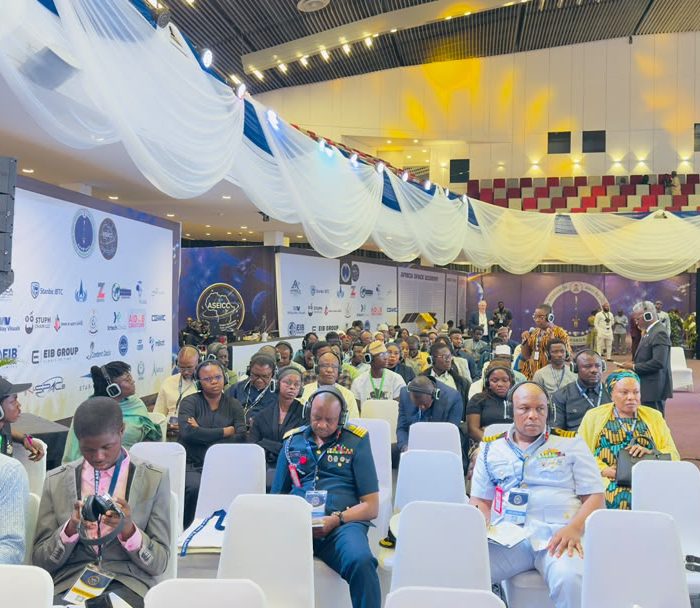
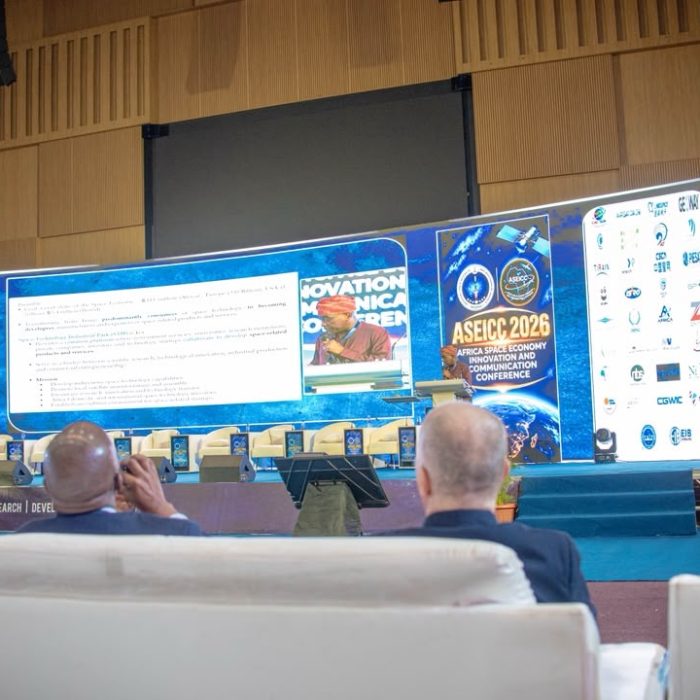
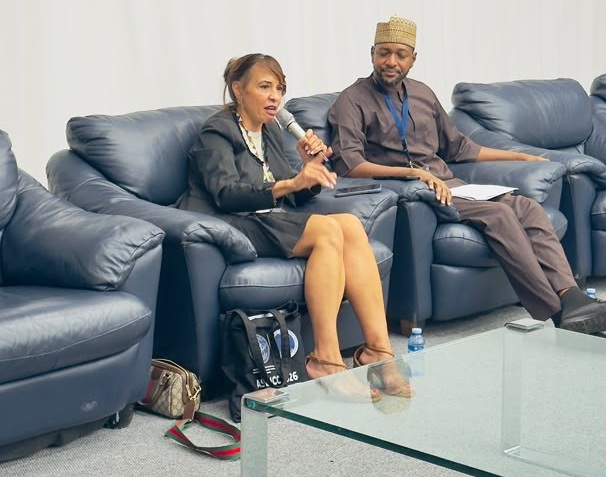
Below are some pictures from the session.
Reporter: Chado Joel
Editor: Ninma Yacim
Photo credit: Ibrahim Zakeri
Media and Corporate Communications